

Why agile in Switzerland transforms operational stability
Let’s be honest about what happens when digital businesses try to scale too fast. You hit a wall where your loose operations just shatter… just like building a skyscraper on a foundation of loose gravel. It might hold up a small shed fine. But add 50 floors and the whole thing collapses. That is why getting agile in Switzerland right is so vital right now. Teams are dealing with massive gaps between what they estimate and what actually happens. Founders and COOs desperately need systems they can predict.
And by 2026, moving from a culture of just trying things out to actual solid governance is mandatory for subscription and DTC models. Without a rock solid system, you hit crazy bottlenecks. You simply cannot scale up and meet local compliance laws at the same time.

The evolution of agile in Switzerland
The numbers are pretty staggering when you look at them. The Agile Project Management software industry is going to hit USD 6.08 billion by the end of 2026. Europe is snatching up about 21.94% of that market. Still, we have this massive disconnect happening on the ground.
You have 63% of teams walking around feeling highly confident in their project estimates. But then you look at the actual data and 44% of tasks in complex engineering and IT projects just roll right over into the next cycle. It is like ordering a completed house and the builders just hand you a pile of loose bricks. Adopting a structured approach to agile in Switzerland actually fixes this mess. It finally gives you the visibility to manage dependencies across different teams without dropping the ball.
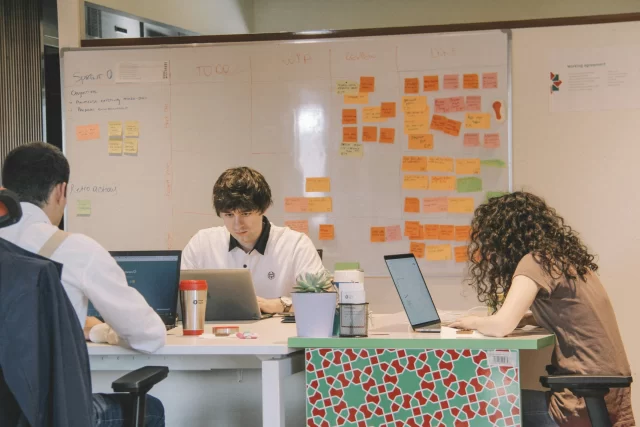
Regulatory impacts on agile in Switzerland
Then we have the regulatory side of things hitting us. The Swiss Sustainable Corporate Governance Act rolls out in 2026. This law forces project managers to drag ESG metrics right into their daily backlogs. You need serious documentation and totally clear processes to pull this off. It is very much like dealing with the incredibly strict rules we see in modern data privacy regulations.
To survive this shift without going crazy, companies are turning to standardized hybrid methods. Pushing forward with agile in Switzerland means you can follow strict federal rules while still keeping the fast iterative development you need for digital products.

Standardizing agile in Switzerland frameworks
Let me give you a specific example of how this becomes official practice. Take the HERMES 2022 framework, which got some major updates in March 2026. It basically drops two week sprints right inside a classic four phase milestone setup. Imagine putting a high speed train engine inside a heavy armored truck. You get the flexibility you want with the bureaucratic adult supervision you actually need.
When people put this updated framework to work, defining totally clear roles slashed communication failures by 25% across different departments. This hybrid take on agile in Switzerland lets growing businesses lock down their project foundations without losing their speed.
Mastering agile in Switzerland
- Official governance: Using HERMES 2022 scenarios to mix flexible iteration with mandatory project milestones.
- AI augmented workflows: Using predictive analytics to finally fix that 44% estimation reality gap in huge deployments.
- Non tech expansion: Healthcare and pharma sectors grabbing new methods to handle complex channels, looking a lot like scalable MTM pharmacy workflow strategies.
Outsourcing solutions for agile in Switzerland
You do not have to do all of this in house… actually, you probably should not. Organizations that use nearshore partners for execution are seeing 30% to 40% cost savings compared to hiring locally. Toss some smart AI tools into those outsourced workflows and performance jumps by 30% to 60%.
This whole setup is a lifesaver for digital brands that desperately need broad omnichannel ecommerce support trends. Teaming up with external experts lets you roll out agile in Switzerland super fast without paying the massive overhead of a gigantic internal team.
Building agile in Switzerland
- Structured automation: Making operations stable by killing manual repeating tasks and making delivery times actually predictable.
- Smart resourcing: Using strict professional hiring best practices to put together tough and adaptable teams.
- Scalable frameworks: Setting up governance that backs up rapid DTC and SaaS growth without a single hiccup.
Scaling operations with agile in Switzerland
To get past the headaches of rigid systems and awful communication, digital businesses have to adopt methods that are flexible but still highly structured. Getting an outside team to handle operations is basically the perfect way to bring in these advanced frameworks while keeping your overhead totally manageable.
PMable delivers fantastic project management services and consultancy built exactly for these needs. Maybe you need full on B2B and B2C training or you just want some flexible staff leasing. Either way, diving into agile in Switzerland through pmable.co makes sure your operations are completely ready for everything 2026 is going to throw at you.
