

Why scrum in Switzerland is critical for operational stability
Sit down with any founder in Zurich these days, and you’ll hear the exact same frustration about executing scrum in Switzerland… But actually putting it into practice while keeping the FINMA auditors happy is a completely different story. Scaling your business means you need a system that lets you ship products fast without tripping over strict data privacy rules or losing your operational stability.
That old debate between Waterfall and Agile? It is dead. We have moved on. Central European teams are now running hybrid setups that give you the best of both worlds. You get the strict financial forecasting your CFO demands, right alongside the quick, iterative sprints your developers need to get things built.
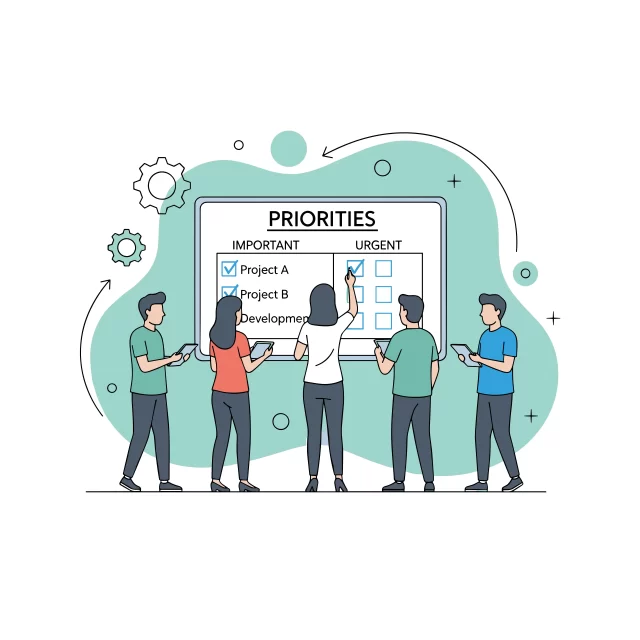
The shift to hybrid scrum in Switzerland methodologies
Still, the pressure to grow while keeping the lights on is immense. If you look at the recent supervisory cycles, it is pretty clear most companies are failing to blend their risk management into their daily work. Actually, only a handful of institutions have figured out how to build their risk frameworks directly into their delivery models using scrum in Switzerland.
Think of it like tuning a high performance engine while the car is still on the highway. A Tier 1 Bank recently pulled this off by moving to a Nexus framework. They threw their IT, third party risk, and business continuity folks into the exact same cross functional squads. By running two week sprints just to test their tolerance for system crashes, they stopped their compliance projects from falling behind schedule.
Key regulatory impacts of scrum in Switzerland
- FINMA Deadlines: Teams must prove they can recover from major outages, pushing stability checks directly into daily sprint goals.
- Executive Liability: New data laws carry massive personal fines for managers. Privacy by design has to happen right during backlog planning.
- Automated Dashboards: Ditching manual spreadsheets for live tracking gives you total visibility over governance.
Navigating data rules using scrum in Switzerland
Dealing with the new Federal Act on Data Protection (nFADP) or the upcoming LETA laws is not something you can just hand off to legal anymore. You have to wire strict data privacy regulations right into the daily sprint cycle of scrum in Switzerland. Doing this protects your executive sponsors from serious personal legal trouble.
And do not treat transparency as an afterthought… it is the whole foundation. If your squads handle client data or KYC processes – they need to map out privacy steps. And to do this before finalizing the backlog. When an organization shifts from manual trackers to automated dashboards – you finally get a clear picture of the governance status.

AI ceremonies for scrum in Switzerland
AI ceremonies are also completely changing how we handle the boring administrative work. Copilots are stepping in to clean up the backlog, predict velocity, and run live KPI reports. This frees up leaders of scrum in Switzerland to do what actually matters… managing team psychology and keeping stakeholders aligned.
Growing fast usually means you have to look outside your own walls, especially if you deal with massive amounts of customer interactions or sensitive medical files. Finding reliable back office support for growing digital brands means your main engineering teams can stay fast and flexible without breaking your daily operations.

Managing external compliance with scrum in Switzerland
You see this exact same pattern in complex fields like healthcare. Trying to figure out pharmacy benefit management networks takes an absurd amount of paperwork. When you hand those headaches to outside experts, the core group running scrum in Switzerland keeps their momentum up instead of drowning in regulatory red tape.
Everyone is scrambling for better project management setups right now. Companies are relying heavily on staff leasing of professionals to grab specialized talent fast. You get a highly skilled team that pivots instantly when sprint goals change. Thus, you avoid overhead of traditional hiring.
Strategic next steps for scrum in Switzerland.
- Evaluate Frameworks: Take a hard look at your current setup and find exactly where your speed and compliance are failing.
- Bring in Expertise: Use outside consultants to force your sprints to meet 2026 financial and privacy standards.
- Automate Processes: Deploy AI tools immediately to take over repetitive backlog chores.
Solving operational scaling with scrum in Switzerland
If you want to get this right, you need a partner who actually knows how to execute on governance and automation. By plugging into specialized project management services, practical B2B and B2C training, solid consultancy frameworks, and smart staff leasing options, your teams using scrum in Switzerland will finally hit that perfect operational balance.
Getting your operations aligned with real agility and strict governance is how you guarantee secure growth. Stop letting compliance slow down your builds… For hands on help fixing your delivery models, see what PMable can do for your team at pmable.co.
